Who Are Sowbugs and Why They Show Up in Hamilton Homes
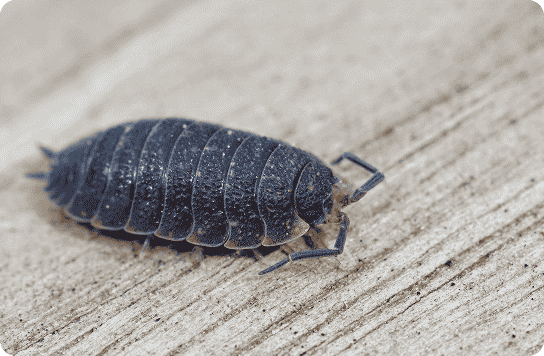
Sowbugs are little crustaceans, closely related to woodlice, that live where conditions stay cooler and moist. They are not insects, but they are a common nuisance in Canadian homes, especially where moisture is present. In Hamilton homes, they often appear in places with high humidity, natural debris, and simple access to entry points.
These pests do not usually seek out dry living areas. Instead, they gather in damp areas such as utility rooms, cellar spaces, and around exterior walls. If your home has condensation, poor ventilation, or minor leaks, sowbugs can move indoors looking for shelter. They are especially likely to slip in through cracks and crevices near the foundation wall or through openings around pipes.
Because they are drawn to moisture, sowbugs can become a sign that your home has a humidity or drainage problem. That is why effective pest control Hamilton services focus not only on removing the pests, but also on reducing moisture and blocking access so the issue does not return.
Typical Indicators of a Sowbug Problem
One clear sign is finding live sowbugs indoors, usually near the floor, along walls, or around damp cardboard, stored items, and debris. They tend to stay hidden during the day, so you may only spot them when lights come on or when you move storage bins.
Mosquito Man Hamilton62 First Rd W, Hamilton, ON L8J 3R2, Canada
+1 289-408-9573
https://maps.app.goo.gl/47W3PJ15EnQopiUf6
https://sites.google.com/view/pest-control-hamilton-ontario/
43.1795221, -79.7846013
Typical trouble spots include basements and crawl spaces, especially where humidity remains high. In many homes, sowbugs gather near foundation cracks, utility penetrations, or along the edge of a slab foundation. You may also find them in bathrooms, laundry rooms, or around basement windows if moisture is present.

Night activity is another clue. Sowbugs are especially active in the dark and may wander across floors or along baseboards after sunset. If you notice them repeatedly in the same area, that often points to a hidden infestation or an outdoor harborage close to the house. Seeing several at once, rather than a single stray pest, usually means the conditions are right for ongoing survival.
Reasons Why Sowbugs Become Common in Hamilton, ON
Hamilton, ON has a number of local factors that cause sowbug problems more likely. Humidity from Lake Ontario can make outdoor and indoor air damp for lengthy spans, especially during seasonal transitions. That moisture often moves into basements and crawl spaces, giving sowbugs the ideal habitat they need.
Local escarpment slopes also influences local drainage and runoff patterns. In some areas, water flows toward foundations or pools in low spots after rainfall. Homes near slope changes, older grading, or uneven soil may experience persistent soil moisture that supports sowbug activity around the perimeter.
Hamilton’s older homes are another factor. Aging foundations, stone basements, and utility penetrations can create openings pests can use. Many older homes also have older waterproofing, limited insulation, or imperfect ventilation, all of which can contribute to damp indoor air. In neighbourhoods with older or lower-lying homes, basement and crawl space dampness is especially common, making these spaces more attractive to sowbugs and other moisture-loving pests.
This is why local pest control Hamilton services are highly valuable. A provider that understands Southern Ontario weather patterns, seasonal moisture changes, and the structure of older Hamilton housing stock can identify the real cause of the problem instead of only treating the visible pests.
How Pest Control Hamilton Professionals Treat Sowbugs
Expert treatment usually begins with a careful inspection. A technician searches for moisture sources, hidden nesting areas, foundation damage, and the specific entry points sowbugs are using. This inspection often includes basements, crawl spaces, utility rooms, and exterior areas where landscaping meets the structure.
Once the source is identified, moisture reduction becomes the first priority. Pest control professionals may recommend fixes for leaks, improved ventilation, better drainage, or changes to storage and sanitation practices. Reducing moisture is essential because sowbugs cannot thrive in dry conditions for long.
In some cases, a targeted insecticide may be applied to cracks, crevices, and known movement zones. This is usually done as a perimeter treatment, focused where sowbugs travel rather than sprayed broadly indoors. Professional products and application methods are designed to be effective while keeping the home environment safer and more controlled.
Exclusion is another major step. That means sealing sealed entry points, closing gaps around utility lines, repairing worn weatherstripping, and addressing openings in the foundation wall. Integrated pest management works best here: combine inspection, moisture reduction, exclusion, sanitation, and selective treatment for a longer-lasting result.
Do-It-Yourself Pillbug Control Tips for Homeowners
Property Owners can do a lot to reduce the risk of sowbugs coming into the house. Begin with moisture control. A dehumidifier in the basement can help a great deal, especially during humid summer months or thaw periods when condensation accumulates indoors.
Examine gutters and downspouts regularly. If gutters clog, water can run over near the foundation and boost soil moisture around the home. Downspouts should direct water away from the house so it does not pool near basement walls or crawl spaces. This simple step can reduce the damp conditions that lure sowbugs.
Closing openings is another practical move. Use caulking or appropriate materials to seal gaps around pipes, vents, and foundation openings. Focus on cracks at the base of walls, door thresholds, and utility penetrations. Even small openings can act as entry points for pests looking for moisture and shelter.
Yard care also matters. Keep mulch away from the foundation where possible, since mulch retains moisture and can create outdoor harborage close to the house. Trim back dense vegetation, avoid piling soil against siding, and make sure grading slopes away from the building. Good landscaping choices help prevent water from sitting beside the home and minimize the chance that sowbugs will migrate indoors.
Inside the home, boost ventilation in moisture-prone areas and remove clutter where organic matter can collect. Cardboard, old paper, and stored debris can all provide shelter. Basic sanitation and dry storage are simple preventive measures that make the house less attractive to woodlice and sowbugs.
When to Contact a Nearby Hamilton pest control company
If you keep finding sowbugs after cleaning and sealing, it may be time to call a professional. A recurring infestation usually means the underlying moisture issue has not been fully resolved, or that there are hidden access routes you have not found. In those cases, DIY steps may help, but they may not be enough to solve the problem completely.
You should also call for help if you suspect property damage related to dampness. While sowbugs themselves are not typically destructive, their presence can indicate water intrusion, hidden decay, or chronic humidity that may affect wood, insulation, or stored items. A pest problem can be the visible sign of a larger maintenance issue.
Professional treatment is especially useful when the infestation keeps returning in basements, crawl spaces, or around foundation cracks. Local expertise matters because Hamilton homes face specific conditions tied to older construction, escarpment drainage, and seasonal moisture swings. A company familiar with Hamilton, ON can recommend a plan that fits your property rather than using a one-size-fits-all approach.
When you need reliable pest control Hamilton support, look for a company that combines inspection, moisture control, exclusion, and targeted treatment. That combination usually produces better long-term results than chemical use alone.
Sowbug Management for Below-Grade Spaces, Rental Properties, and Shared Residences
Below-grade areas are one of the most common spots for sowbug issues, especially in older properties. In rental properties and multi-unit buildings, the issue can be more complex because one damp area can affect many suites. Connecting walls, shared service spaces, and interconnected basement systems can allow pests to move between units if moisture and access points are not managed properly.
Management teams should treat sowbug complaints as a whole-building maintenance concern, not just an isolated tenant complaint. If one tenant sees sowbugs, others may quickly notice them too, especially in basement suites or storage areas. The best approach is to check the property shell, assess humidity control, and identify any shared entry routes.
Tenants can help by flagging leaks promptly, keeping storage areas dry, and avoiding clutter on floors. Property management should respond with upkeep, repair, and prevention measures such as dehumidification, drainage improvements, and sealing around shared utility penetrations. In multi-unit buildings, humidity control and exclusion are especially important because shared walls can let moisture problems travel.
For landlords and managers, working with a local pest control Hamilton provider can make inspections more effective. A technician who is familiar with older buildings, lower-level dampness, and seasonal conditions in Southern Ontario can spot the possible source faster and recommend useful steps for both the building and the tenants.
Frequently Asked Questions Concerning Sowbug Control in Hamilton
Can sowbugs bad to humans or pets?
Sowbugs are typically not problematic to pets or pets. They do not bite, inject venom, or spread disease in the way some other pests can. However, seeing them indoors often suggests moisture problems that should be corrected. So while the pests themselves are not dangerous, the conditions that attract them may still need attention.
Why are sowbugs showing up in my basement in Hamilton?
Basement sowbug problems in Hamilton often https://maps.apple.com/?daddr=62%20First%20Rd%20W%20Hamilton%2C%20ON%20L8J%203R2%20Canada result from humidity, condensation, and damp foundations. Older homes, stone basements, crawl spaces, and foundation cracks can create direct entry points. Lake Ontario humidity, runoff from the Niagara Escarpment, and poor drainage can all contribute to moisture around the home, especially in lower-lying areas.
How do pest control professionals get rid of sowbugs?
Professionals usually start with an inspection to find where the sowbugs are entering and what is supporting them. Then they focus on moisture reduction, exclusion, and targeted insecticide use where needed. A good plan often includes sealing sealed entry points, improving ventilation, and treating cracks and crevices around the foundation and other problem areas.
Can I prevent sowbugs without using chemicals?
Yes. Many prevention steps do not require chemicals at all. You can use a dehumidifier, keep gutters and downspouts clear, seal gaps, improve landscaping, and reduce clutter and organic matter near the home. These preventive measures work best when combined with reducing moisture and improving sanitation indoors.
How long does sowbug control usually take to work?
That depends on the severity of the infestation and how quickly moisture and access issues are corrected. Some homes improve quickly after exclusion and drying measures, while others need several weeks of follow-up. If the source of the moisture is fixed and the entry points are sealed, results are usually much better and more lasting. For stubborn or recurring problems, professional treatment may be the fastest route to control.